
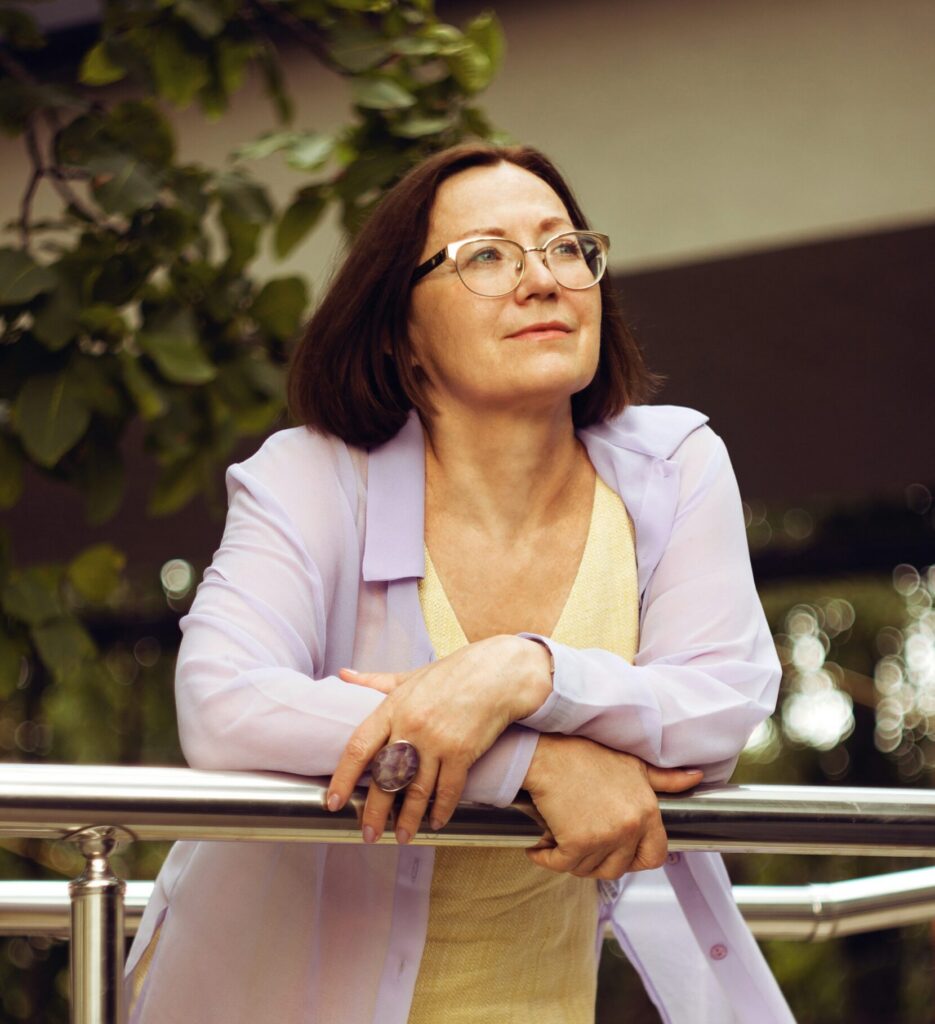
Many women arrive at this question quietly. Often after years – sometimes decades – of feeling different, overwhelmed, misunderstood, or simply exhausted by life in a way that doesn’t seem to match what everyone else appears to be managing.
You might be in your 40s, 50s or beyond, and wondering whether it’s “too late” to explore autism. Perhaps someone has suggested it to you. Maybe you’ve come across an article or social media post and felt an unexpected jolt of recognition. Or perhaps this question has been hovering in the background for years, waiting for enough space or courage to be asked.
So let’s begin gently, and clearly.
Is there an age limit for an autism assessment?
No. There is no upper age limit for an autism assessment. Autism is a neurodevelopmental difference, which means you are born autistic. It doesn’t suddenly appear in midlife, and it doesn’t fade with age. What does change over time is how visible autism becomes – both to the individual themselves and to those around them.
In the UK, adults of any age can be assessed for autism through the NHS or privately. NICE guidelines explicitly recognise that autism can be identified in adulthood and that assessment should be available whenever someone presents with relevant traits, regardless of age.
If you’re asking this question now, it’s rarely because you’ve missed an opportunity. More likely something in your life has shifted.
Why are so many women diagnosed with autism later in life?
This is a crucial part of the story. Historically, autism research and diagnostic criteria were based largely on boys and men. As a result, autism has been defined in ways that reflect more stereotypically male presentations – traits that are often more externally visible and harder to hide.
Many autistic girls and women learn early how to adapt. They observe, copy, people-please, over-prepare, and suppress their needs in order to fit in. This is often referred to as masking or camouflaging. While masking can help someone survive socially, it comes at a significant emotional and physical cost.
Autistic women are therefore more likely to be overlooked or misdiagnosed in childhood, often receiving labels such as anxiety, depression, eating disorders, or being told they are “too sensitive” or “coping badly”.
Research published in The Lancet Psychiatry has shown that autistic women are diagnosed significantly later than autistic men. Midlife is often the point where the effort of masking becomes unsustainable. Hormonal changes, particularly during perimenopause and menopause, increased responsibilities, burnout, or major life transitions can all reduce the capacity to keep pushing through. At this stage, long-standing autistic traits may become more noticeable because the nervous system is under greater strain.
What are the benefits of an autism diagnosis in midlife?
This is a very personal decision, and there is no single “right” answer. For many women, the most profound benefit is self-understanding. A diagnosis can offer a new lens through which to view a lifetime of experiences replacing shame and self-blame with context and compassion.
Other potential benefits include:
- A clearer understanding of your nervous system and sensory needs
- Reduced self-criticism and increased self-acceptance
- Access to appropriate support, adjustments or accommodations, particularly at work or in healthcare
- Better strategies for managing burnout, overwhelm and energy levels
- Validation that your experience is real, meaningful and legitimate
It’s also important to say that a formal diagnosis isn’t right for everyone. Some women find that self-identification and learning about autism is enough. Others feel that an assessment is an important step. Both choices are valid.
How do I ask my GP for an autism referral as an adult?
In England, you can ask your GP for a referral for an adult autism assessment. It can help to go into the appointment prepared, especially if you’ve spent years minimising your difficulties. You might choose to explain:
- Traits or challenges you’ve experienced across your whole life, not just recently
- How these impact your daily functioning, work, relationships or wellbeing
- Any long-standing patterns of burnout, anxiety, sensory sensitivity, or social exhaustion
Some women find it helpful to take a brief written summary or results from a screening questionnaire (such as the AQ-10) to support the conversation.
Be aware that waiting times for NHS assessments can be long, and experiences with GPs vary. Unfortunately, some women still encounter misunderstanding or dismissal. If that happens, it does not invalidate your experience.
What is the NHS Right to Choose for autism assessments?
In England, you also have the legal right to choose your healthcare provider for certain NHS services, including autism assessments. This is known as Right to Choose.
If your GP agrees that a referral is appropriate, you can request to be referred to a provider that offers NHS-funded adult autism assessments under Right to Choose, rather than being placed on a local waiting list. For many people, this significantly reduces waiting times.
You don’t need to justify this choice beyond stating that you wish to use your Right to Choose. You may want to bring the name of a recognised provider with you to the appointment, along with any referral forms they require.
Right to Choose applies in England and is subject to eligibility criteria. It does not currently apply in Scotland, Wales or Northern Ireland.
If your GP does not agree that a referral is appropriate, or you do not feel that you’ve been listened to – you always have the right to seek out a second opinion.
What if I’m scared of what a diagnosis might mean?
This is an entirely understandable fear. You may worry about labels, being treated differently, or opening something that feels emotionally big. You might question whether you are “autistic enough”, or whether you’re making things harder than they need to be.
A diagnosis doesn’t change who you are. It doesn’t take anything away from you. What it can offer is language, clarity and understanding for experiences you have already lived.
You are allowed to move slowly. Curiosity does not require commitment. Exploring autism gently, with support and compassion, is often the safest place to begin. It’s also up to you who you choose to share your diagnosis with.
If this question has been quietly accompanying you for some time, you don’t need to rush it towards an answer. Curiosity is often the first sign that something inside you is asking to be understood, not fixed. If at some point you’d like a calm, compassionate space to explore what all of this might mean for you, there is support available – and you’re welcome to approach that in whatever way, and at whatever pace, feels right.
References and further reading:
- NICE Guideline CG142 – Autism spectrum disorder in adults: diagnosis and management
- NHS England – Right to Choose information
- The National Autistic Society (UK) – Adult diagnosis guidance
- Lai MC et al. (2015), The Lancet Psychiatry – Sex and gender differences in autism diagnosis
- Hull L et al. (2017) – Research on masking and camouflaging in autistic adults